


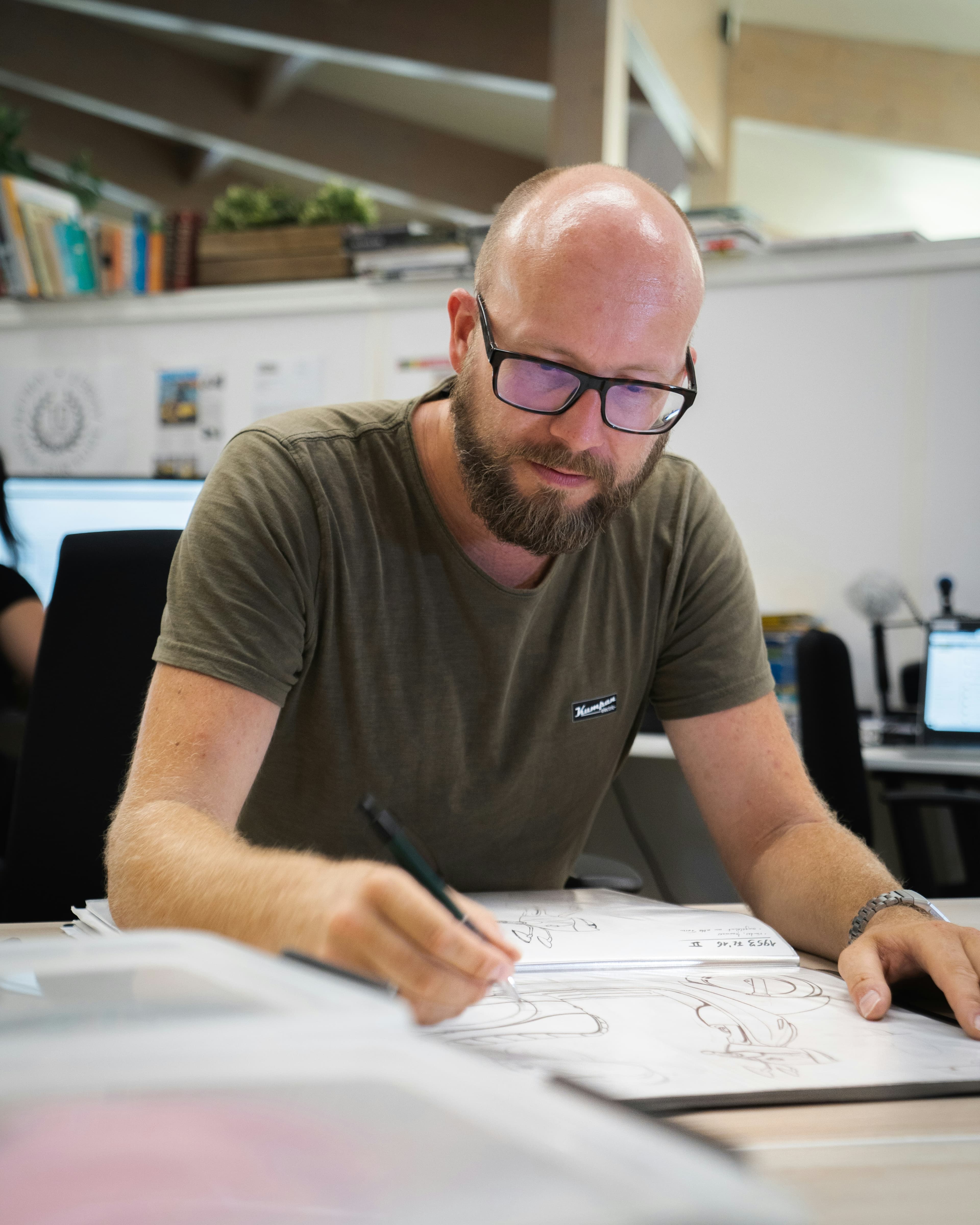
Erik Holmström
Stockholm-based industrial designer specializing in bent plywood and steam-formed timber. His work sits in the permanent collection at the Swedish National Museum of Design.
Global Design Partners
Independent studios and makers we work with to bring each collection to life.
Stockholm-based industrial designer specializing in bent plywood and steam-formed timber. His work sits in the permanent collection at the Swedish National Museum of Design.

Shanghai-born, Milan-trained furniture designer known for blending lacquerwork traditions with contemporary minimalism. Runs Studio Mei from her workshop in Hangzhou.

Former architect turned furniture maker, working out of a converted printworks in Lyon. Obsessed with cantilever structures and the physics of sitting.

Tokyo-based woodworker and Formwerk's longest-standing collaborator. Trained in traditional Japanese joinery before founding his own atelier in Sumida.
Our Process
From sustainably sourced timber to precision joinery, we control each stage to ensure what arrives at your door is built to last decades, not seasons.

Eco-concious, renewable and produced well by artisans and other stuff like that which is cool.

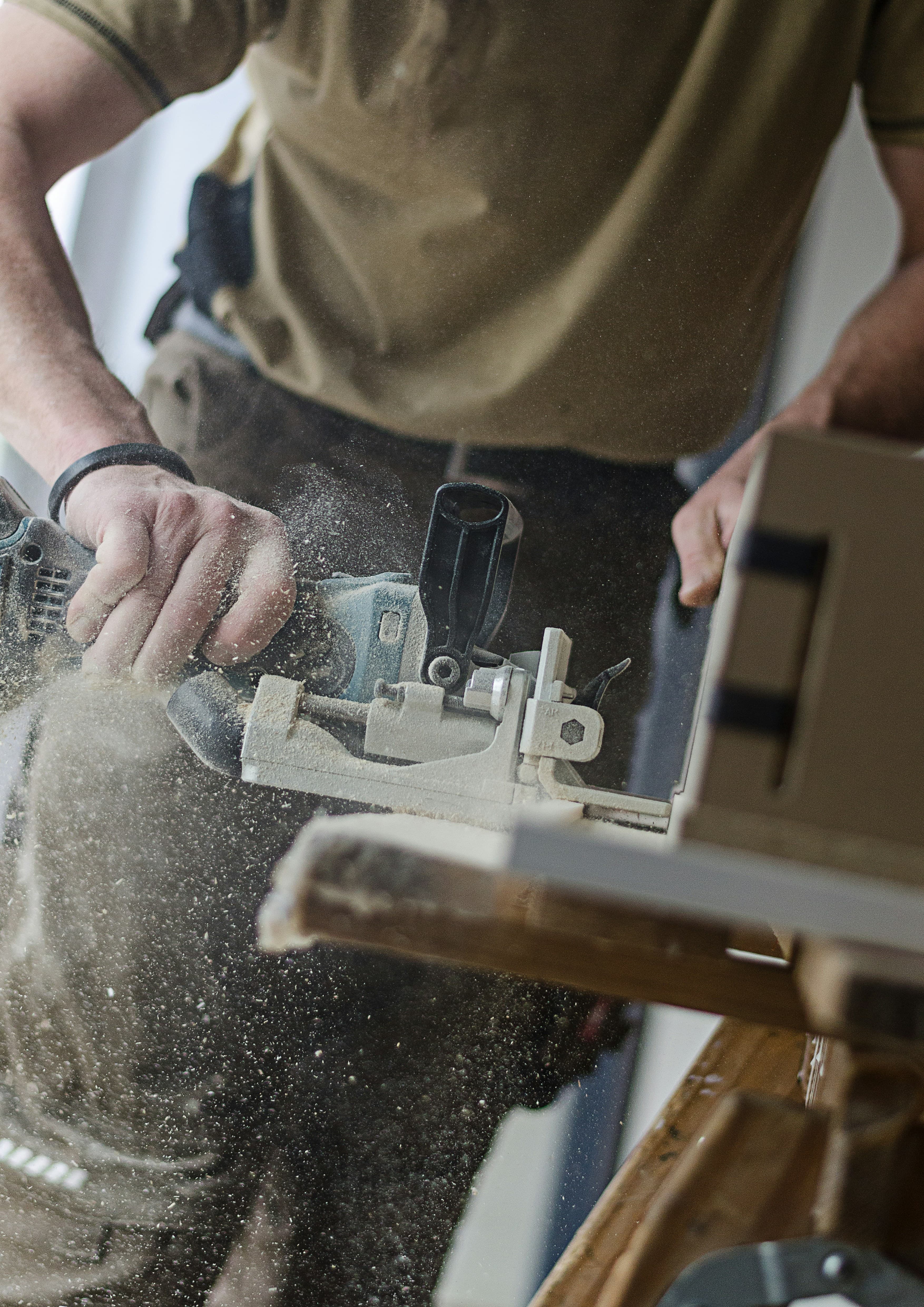
Utilizing sustainable practices while ensuring fair labor conditions throughout the production chain.
Innovative, biodegradable packaging that minimizes waste and enhances customer experience.
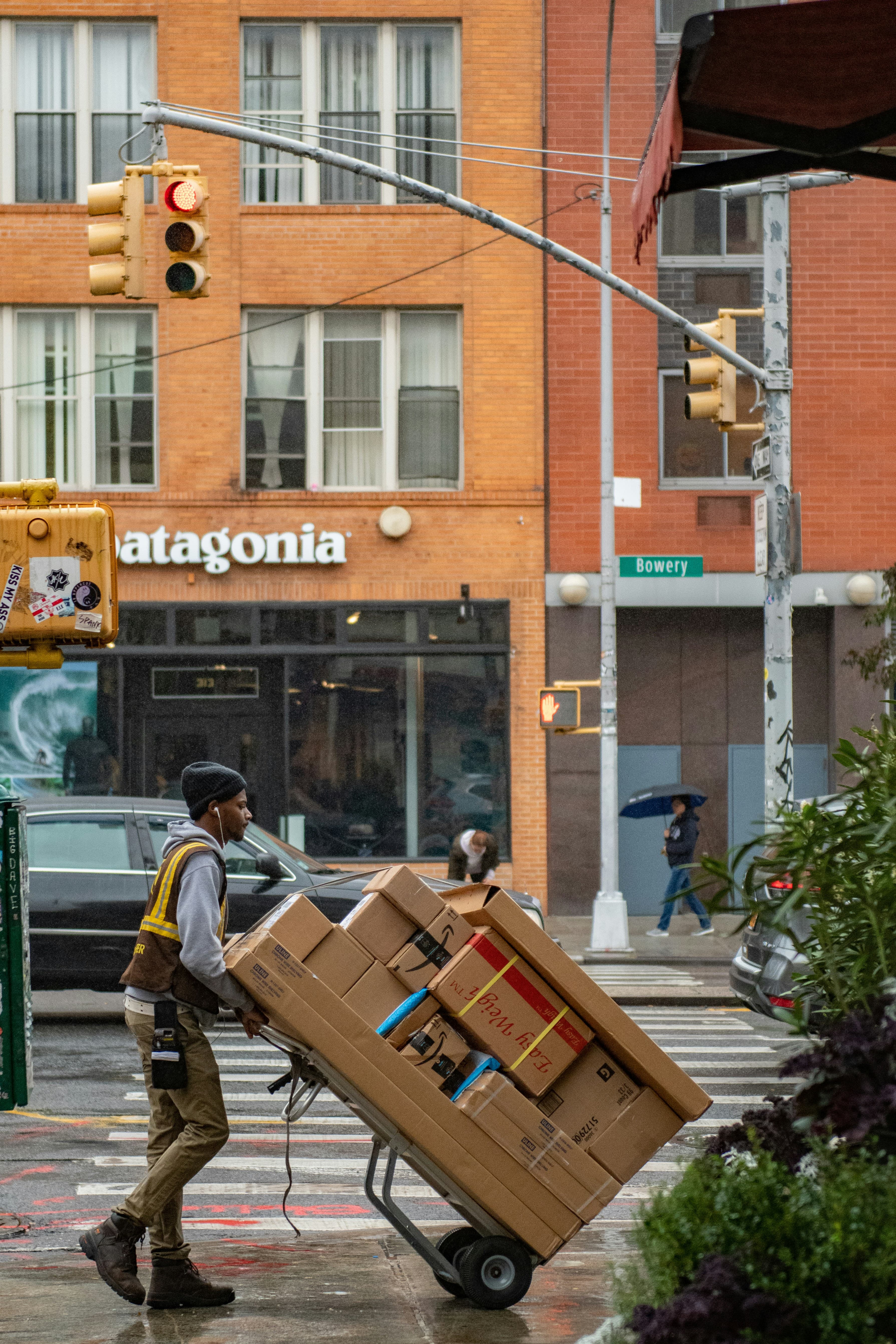
Partnering with eco-friendly logistics providers to reduce carbon footprint during shipping.
Journal

In Conversation: Astrid Lindegaard on Tension, Silence, and the Weight of Light

John Holmes
The Copenhagen-based designer discusses her breakout 'Gravity' collection, the problem with 'Scandinavian' as a brand, and why she still builds full-scale cardboard models.

The Democracy of the Surface: Notes on the Round Table

Elin Sørensen
But there exists an older, more radical form: the circle, or its domestic approximation, the round table

Active Repose: The Horizontal Ethics of the Lounge Chair
Elin Sørensen
When modernism liberated the chair from its pedagogical origins, it did not merely alter an angle of recline—it renegotiated the contract between body and space, between productivity and rest.

The Architecture of Daily Life: Reclaiming the Horizontal Plan
John Holmes
On the credenza as curatorial stage, where material culture meets the vertical plane of art.